


This post What is a Dry Eye Flare-Up first appeared on MyDryEye.ca
It was written by Dr. Diana Nguyen.
Please visit MyDryEye.ca to visit the original post.
Dry eyes is a complex disease that can be extremely debilitating to the chronic sufferer. This disease is caused by an imbalance in the tears, inflammation and/or nerve abnormalities. Due to the nature of its complexity, the treatment requires a multi-modal approach which includes management at home and in the office.
Even with successful treatment and reduced symptoms, you may still suffer a dry eye flare-up from time to time. These flare-ups can be painful and it may feel like your eyes are back at square one, but they are normal to experience occasionally. Let’s dive into this blog and learn more about dry eye flare-ups and how to get past this speed bump in your dry eye journey.
Definition of a Dry Eye Flare Up
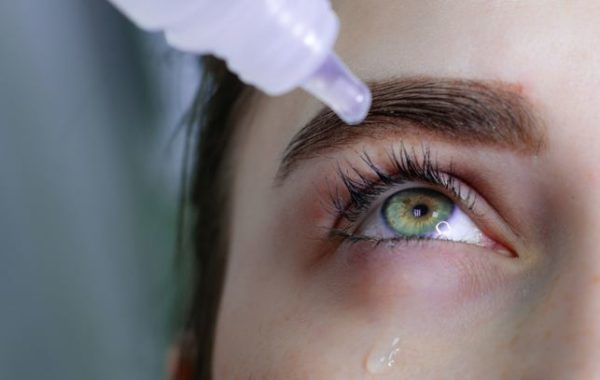
A flare-up is defined as an episode of rapid-onset dry eye symptoms that usually occurs as a result of an external trigger. It’s been estimated that 80 – 90% of dry eye sufferers experience a flare up at least 6 times a year. Those with severe dry eyes will tend to experience more flare-ups due to the chronicity of the disease.
Rest assured that a flare-up does not mean that the current treatments are not working, but why does a flare-up occur?
Well, let’s think about chronic back pain. The severity of back pain usually reduces with physical therapy, consistent exercise and stretching. However, small triggers and changes in your daily routine can exacerbate back pain such as carrying larger items or having a bad posture at work.
The same situation applies to dry eyes since it is a chronic condition. There are several triggers for a flare-up such as stress, lack of sleep or a change in environment.
Treatment for Dry Eye Flare Ups
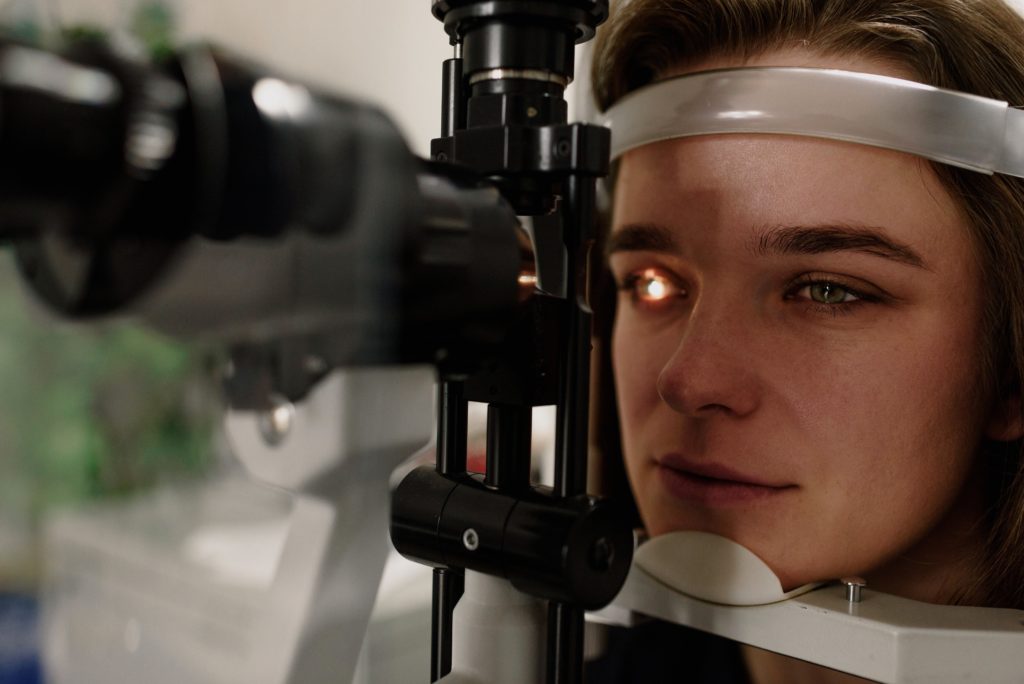
If you are experiencing a flare-up, contact your dry eye doctor so they can temporarily give you relief. Your doctor may recommend the following:
- Prescribing a short-course of steroids such as Lotemax or Alrex
- Although these drugs help calm down the intense inflammation, there are adverse side effects if overused such as increased eye pressures and early cataract formation
- Increasing the dosage of your preservative-free eye drops
- Making lifestyle changes such as drinking more fluids, reducing stress triggers and avoiding dry environments
Don’t Suffer With a Flare-Up for Long
It’s important to recognize when you’re experiencing a flare-up so it can be addressed as soon as possible. Visit a dry eye doctor near you to get your eyes assessed for the right treatment!


Manuka Honey and Eyelid Care: What Makes It Interesting?
Why is Manuka honey appearing in eye care? We explain the research in everyday language, the difference from Manuka oil and where NeutraWipe ECO fits.

EltaMD Is Back in Canada—and at Eye Drop Shop
Your familiar SPF is back. EltaMD UV Clear in Clear and Tinted, plus UV Physical Tinted, have returned to Eye Drop Shop Canada. Here’s where to start.

Biotrue Eye Drops and Contact Lens Care: The Complete Canadian Guide
From everyday dry-eye drops to bedtime gel drops and contact-lens care, find the Canadian Biotrue product that fits your routine—and understand what each one actually does.
